Similarities and Differences of Doodle Fiction, Manga, and Graphic Novels

DOODLE FICTION

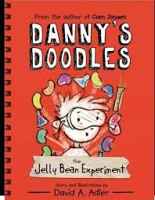
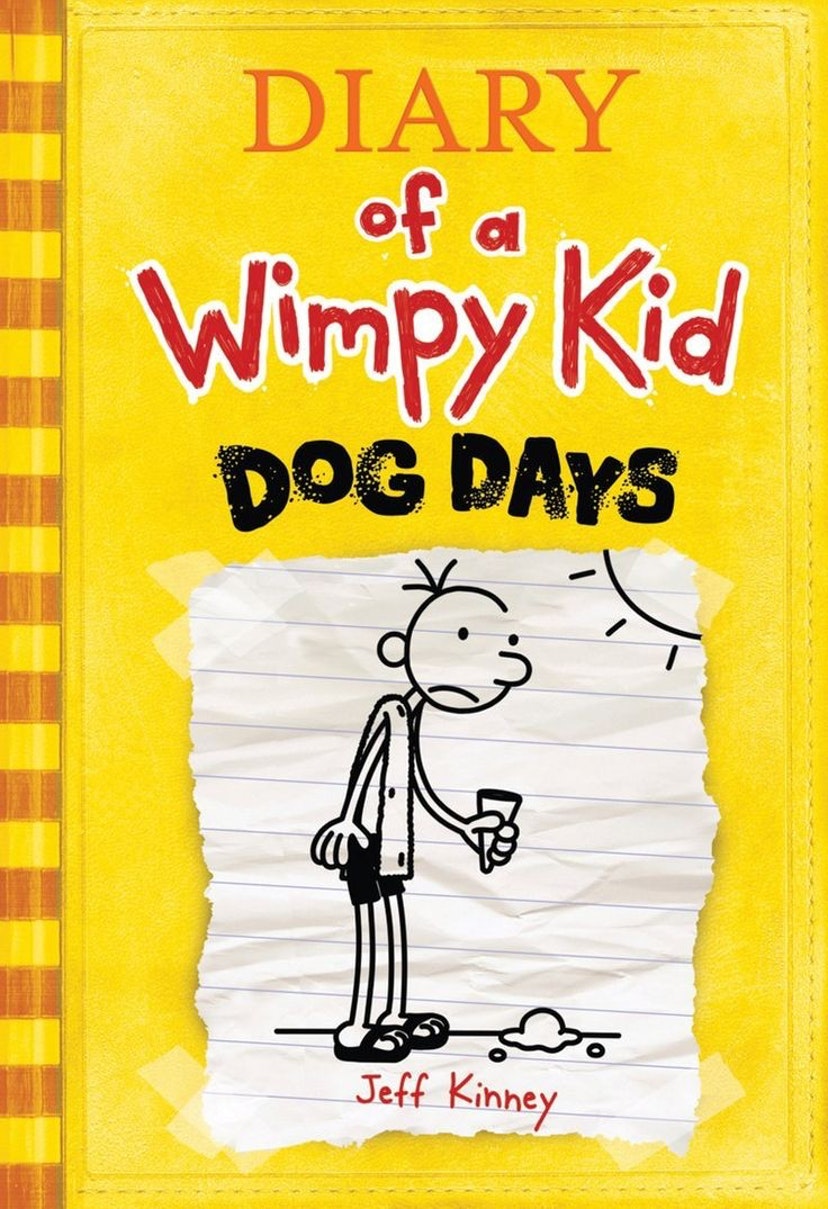
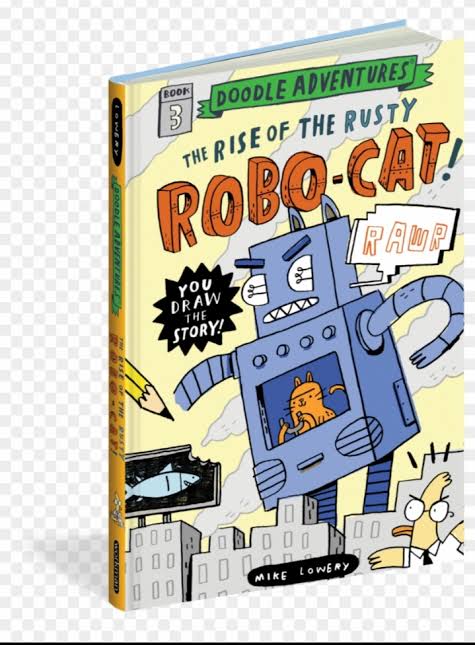
A literary presentation where the author incorporates doodle drawings and hand written graphics in place of traditional font.Drawings enhance the story, often adding humorous elements that would be missing if the illustrations were omitted.

Examples of doodle fiction

-The Diary of a Wimpy Kid by Jeff Kinney

– Danny’s Doodle

– The Rise of the Rusty Robo-Cat
MANGA

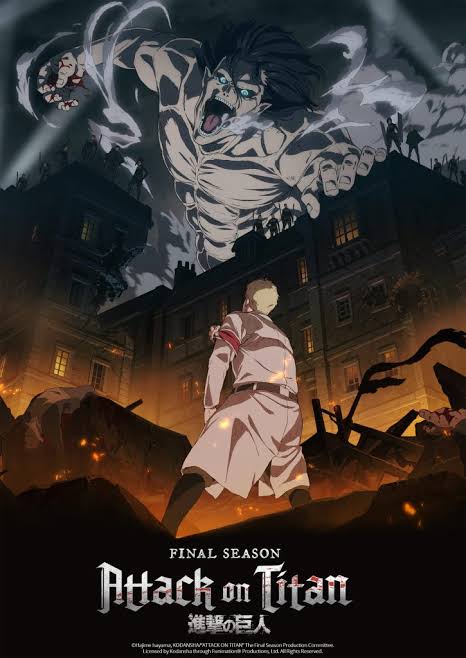
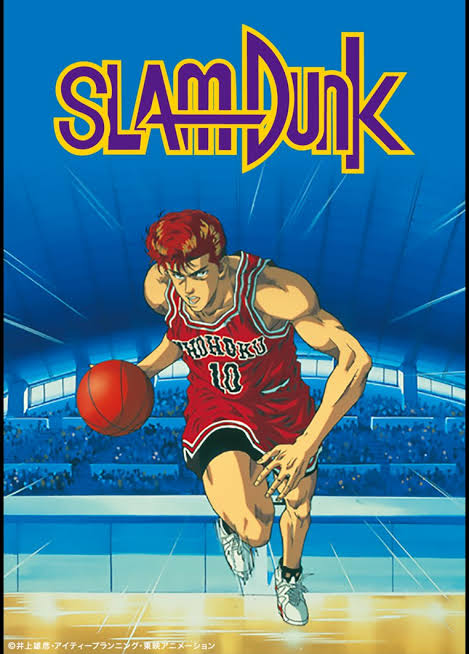
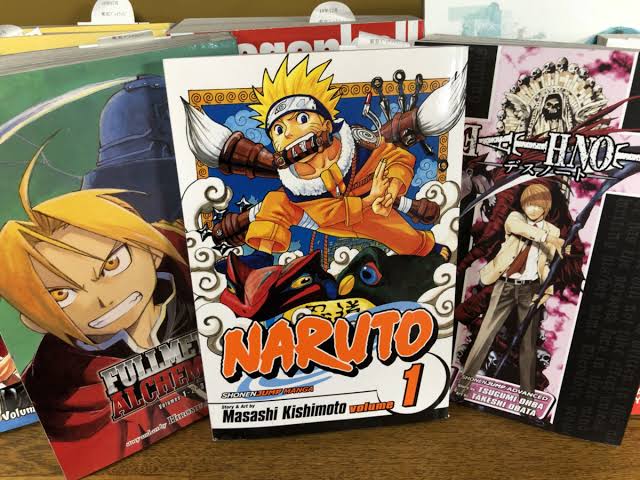
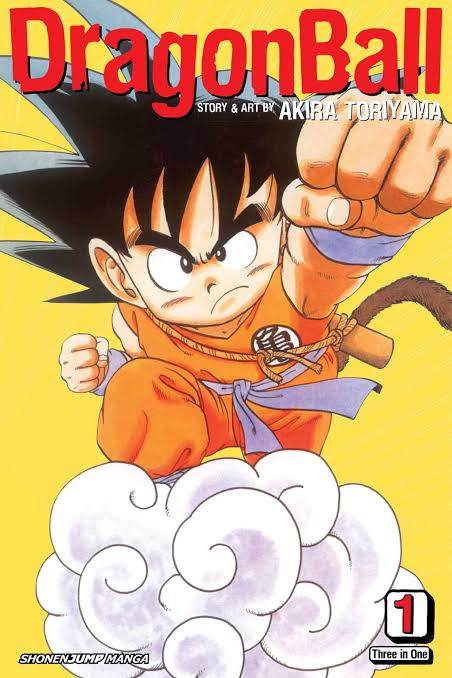
Manga is an umbrella term for a wide variety of comic books and graphic novels originally produced and published in Japan. Unlike American comic books, which are usually printed in full color, Japanese manga is almost always black and white.

Examples of Manga

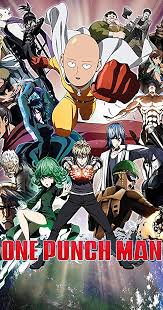
-One-Punch Man (English Translation)
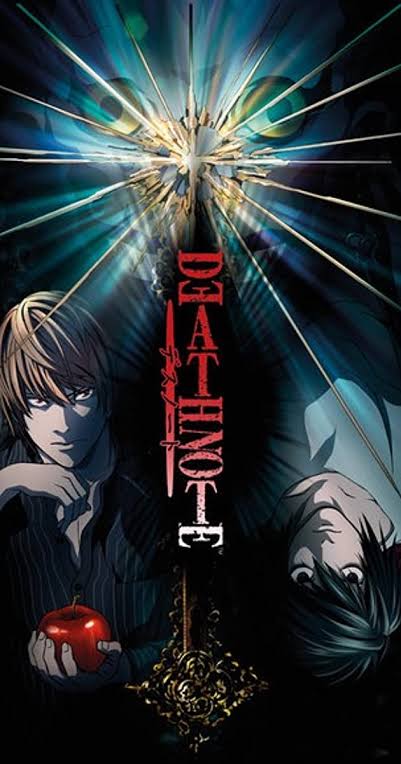
-Death Note (English Translation)
-Attack on Titan (English Translation)
-SLAM DUNK (English Translation)
-Naruto (English Translation)
-Fullmetal Alchemist (English Translation)
-One Piece (English Translation)
-Akira (English Translation)
GRAPHIC NOVELS

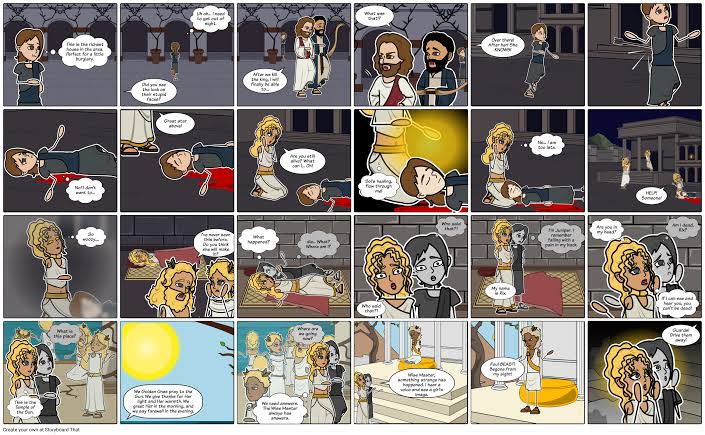
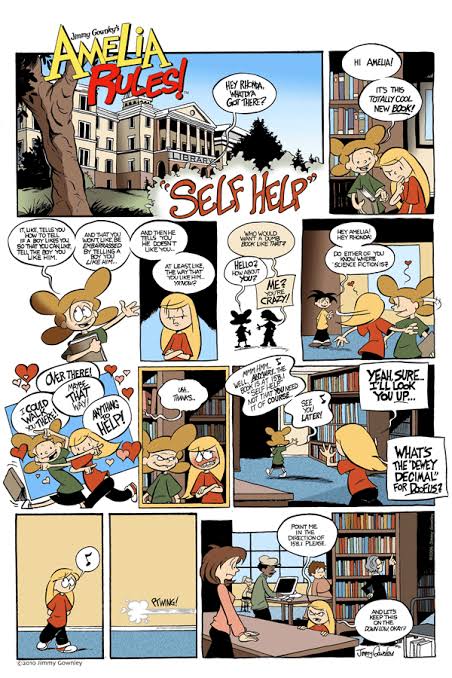
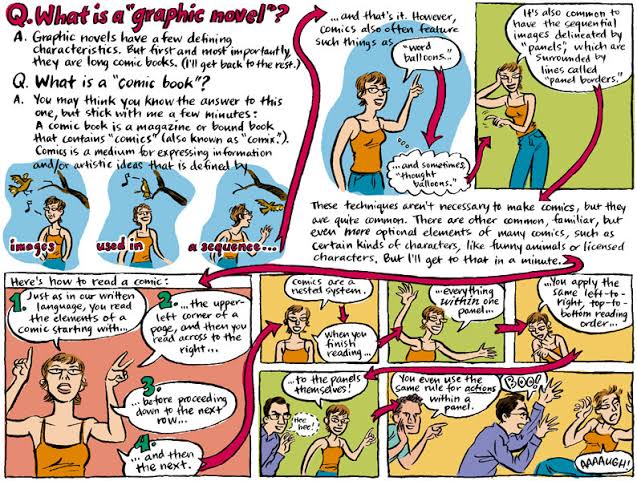
A graphic novel is a book made up of comics content. Although the word “novel” normally refers to long fictional works, the term “graphic novel” is applied broadly and includes fiction, non-fiction, and anthologized work.

Examples of Graphic Novels

-Nimona. by Noelle Stevenson. …
-Watchmen. by Alan Moore and Dave Gibbons. …
-Maus: A Survivors Tale. My Father Bleeds History. …
-Daytripper. by Gabriel Ba and Fabio Moon. …
-This One Summer. by Mariko Tamaki and Jillian Tamaki.
SIMILARITIES

The similarities of all these genres are it incorporate drawings, illustration, or graphics in telling a story.

Introduce Yourself (Example Post)

This is an example post, originally published as part of Blogging University. Enroll in one of our ten programs, and start your blog right.

You’re going to publish a post today. Don’t worry about how your blog looks. Don’t worry if you haven’t given it a name yet, or you’re feeling overwhelmed. Just click the “New Post” button, and tell us why you’re here.

Why do this?

  • Because it gives new readers context. What are you about? Why should they read your blog?
  • Because it will help you focus your own ideas about your blog and what you’d like to do with it.

The post can be short or long, a personal intro to your life or a bloggy mission statement, a manifesto for the future or a simple outline of your the types of things you hope to publish.

To help you get started, here are a few questions:

  • Why are you blogging publicly, rather than keeping a personal journal?
  • What topics do you think you’ll write about?
  • Who would you love to connect with via your blog?
  • If you blog successfully throughout the next year, what would you hope to have accomplished?

You’re not locked into any of this; one of the wonderful things about blogs is how they constantly evolve as we learn, grow, and interact with one another — but it’s good to know where and why you started, and articulating your goals may just give you a few other post ideas.

Can’t think how to get started? Just write the first thing that pops into your head. Anne Lamott, author of a book on writing we love, says that you need to give yourself permission to write a “crappy first draft”. Anne makes a great point — just start writing, and worry about editing it later.

When you’re ready to publish, give your post three to five tags that describe your blog’s focus — writing, photography, fiction, parenting, food, cars, movies, sports, whatever. These tags will help others who care about your topics find you in the Reader. Make sure one of the tags is “zerotohero,” so other new bloggers can find you, too.

Introduce Yourself (Example Post)

This is an example post, originally published as part of Blogging University. Enroll in one of our ten programs, and start your blog right.

You’re going to publish a post today. Don’t worry about how your blog looks. Don’t worry if you haven’t given it a name yet, or you’re feeling overwhelmed. Just click the “New Post” button, and tell us why you’re here.

Why do this?

  • Because it gives new readers context. What are you about? Why should they read your blog?
  • Because it will help you focus your own ideas about your blog and what you’d like to do with it.

The post can be short or long, a personal intro to your life or a bloggy mission statement, a manifesto for the future or a simple outline of your the types of things you hope to publish.

To help you get started, here are a few questions:

  • Why are you blogging publicly, rather than keeping a personal journal?
  • What topics do you think you’ll write about?
  • Who would you love to connect with via your blog?
  • If you blog successfully throughout the next year, what would you hope to have accomplished?

You’re not locked into any of this; one of the wonderful things about blogs is how they constantly evolve as we learn, grow, and interact with one another — but it’s good to know where and why you started, and articulating your goals may just give you a few other post ideas.

Can’t think how to get started? Just write the first thing that pops into your head. Anne Lamott, author of a book on writing we love, says that you need to give yourself permission to write a “crappy first draft”. Anne makes a great point — just start writing, and worry about editing it later.

When you’re ready to publish, give your post three to five tags that describe your blog’s focus — writing, photography, fiction, parenting, food, cars, movies, sports, whatever. These tags will help others who care about your topics find you in the Reader. Make sure one of the tags is “zerotohero,” so other new bloggers can find you, too.